Y 5 Molar Pattern
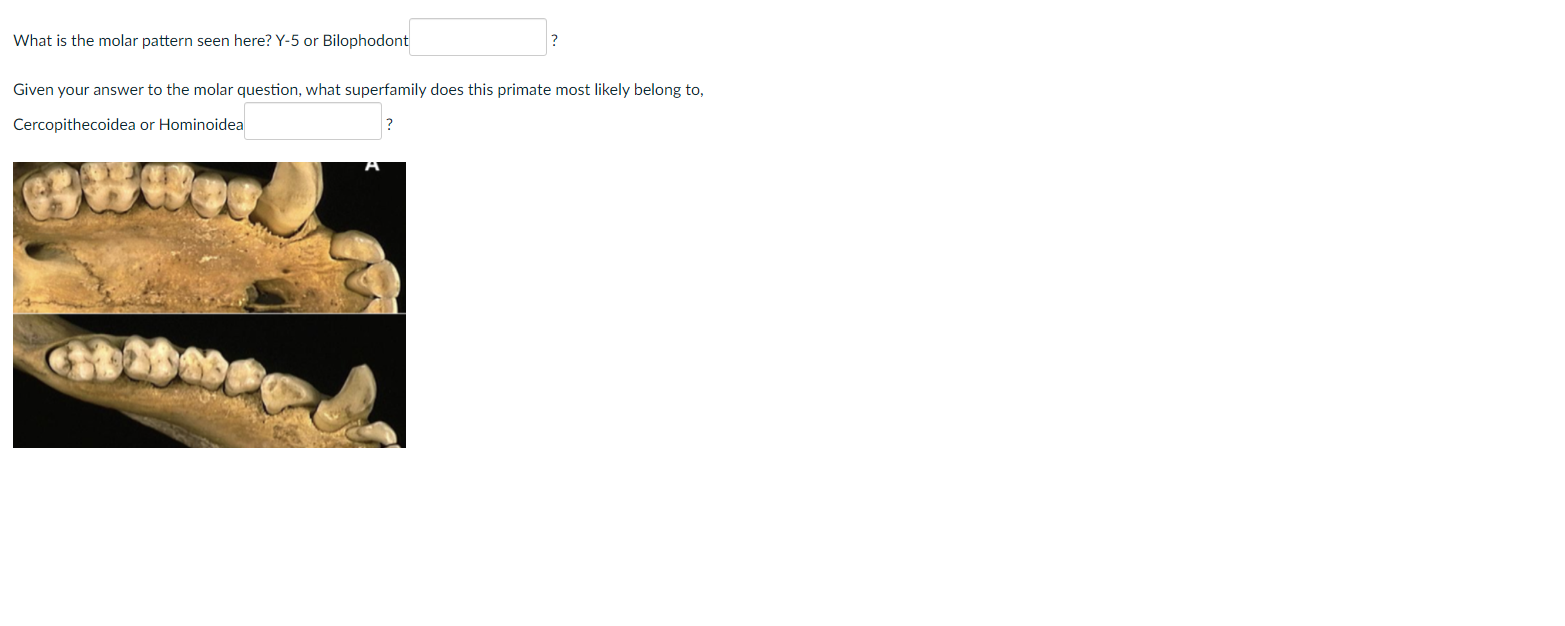
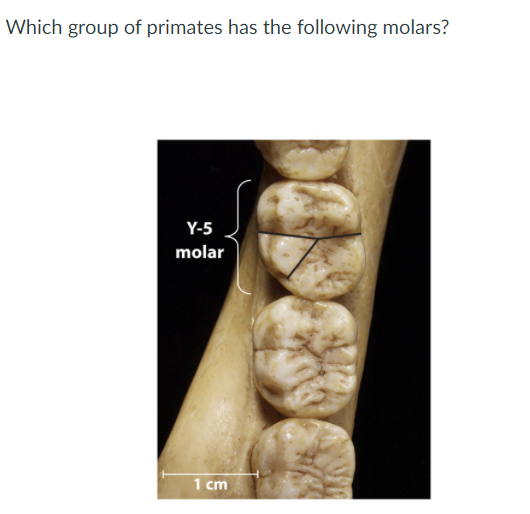
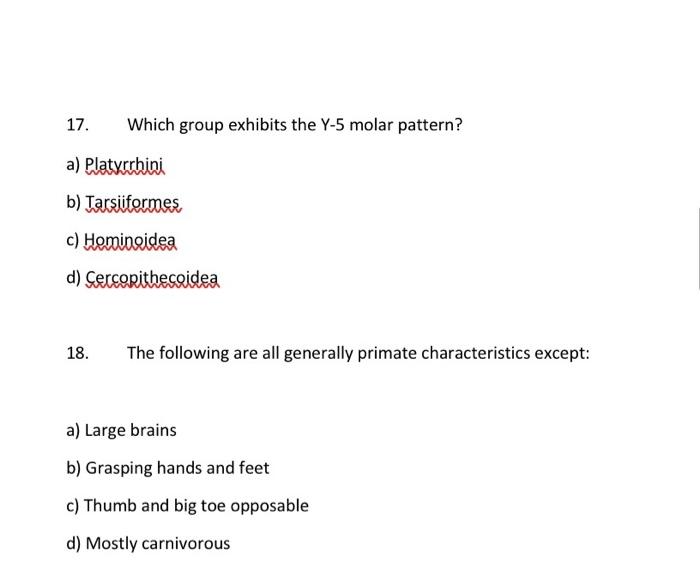
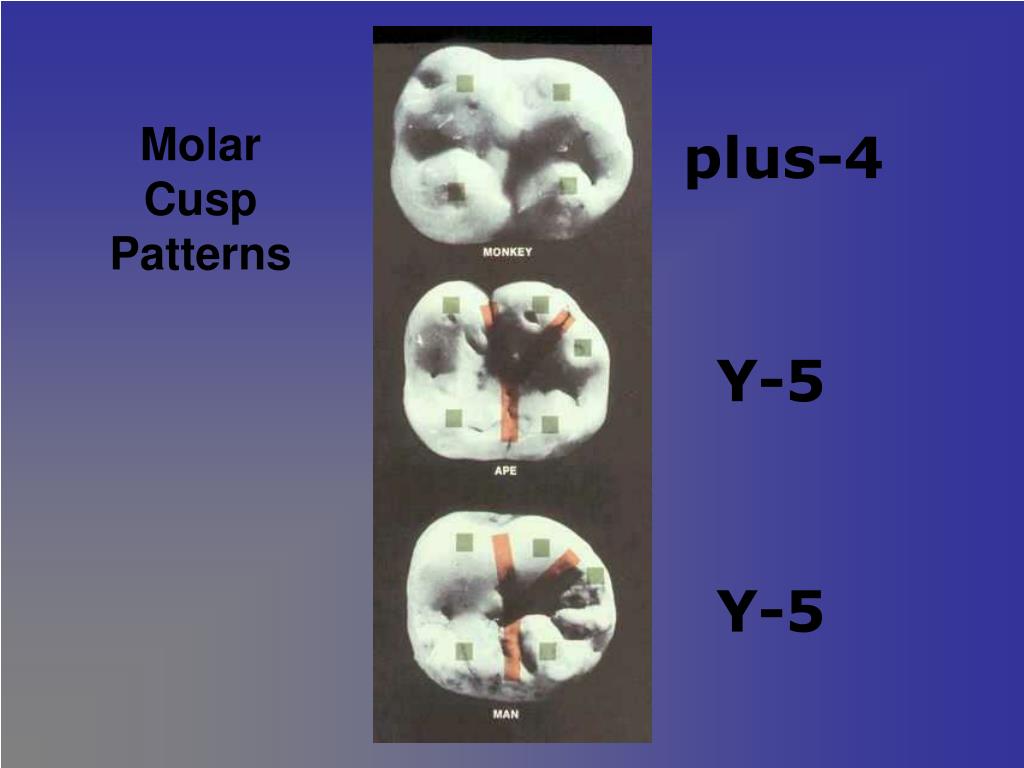
Y 5 Molar Pattern - Thus, comparisons between chimpanzees and homo sapiens could be used to identify major differences. All apes and humans (hominoids) b. Web within this grouping, the two families hylobatidae and hominidae can be distinguished from old world monkeys by the number of cusps on their molars; This molar pattern is characterized by the arrangement of cusps on the molars. Researchers hypothesize that the earliest hominid ancestor would have similar dental morphology to chimpanzees today. Honing complex consisting of large canines that are sharpened. It is a shared, derived characteristic of which group? Major characterizing features of pan troglodytes dental morphology include the presence of peripherally located cusps, thin enamel, and strong facial p… Hominoids have five in the. Option (b) apes is the correct answer. Hominoids have five in the. Thus, comparisons between chimpanzees and homo sapiens could be used to identify major differences. Honing complex consisting of large canines that are sharpened. Monkeys only have four cusps on their lower molars. It is a shared, derived characteristic of which group? According to the theory of evolution, humans evolved from a common ancestor of chimpanzees. Web within this grouping, the two families hylobatidae and hominidae can be distinguished from old world monkeys by the number of cusps on their molars; Option (b) apes is the correct answer. All apes and humans (hominoids) b. Web the most distinctive feature of ape dentition, which clearly distinguishes apes from old world monkeys, is: Here’s the best way to solve it. Thus, comparisons between chimpanzees and homo sapiens could be used to identify major differences. Monkeys only have four cusps on their lower molars. This is referred to as a branch of science which deals. Hominoids have five in the. All apes and humans (hominoids) b. Honing complex consisting of large canines that are sharpened. Option (b) apes is the correct answer. Web within this grouping, the two families hylobatidae and hominidae can be distinguished from old world monkeys by the number of cusps on their molars; Here’s the best way to solve it. Web the most distinctive feature of ape dentition, which clearly distinguishes apes from old world monkeys, is: It is a shared, derived characteristic of which group? A species that is adapted to a wide range of. Web in addition, the lower molar teeth of apes and humans have five cusps, or raised points, on their grinding surfaces. Here’s the best. According to the theory of evolution, humans evolved from a common ancestor of chimpanzees. All apes and humans (hominoids) b. Web the most distinctive feature of ape dentition, which clearly distinguishes apes from old world monkeys, is: Major characterizing features of pan troglodytes dental morphology include the presence of peripherally located cusps, thin enamel, and strong facial p… Researchers hypothesize. Hominoids have five in the. Web the most distinctive feature of ape dentition, which clearly distinguishes apes from old world monkeys, is: It is a shared, derived characteristic of which group? All apes and humans (hominoids) b. According to the theory of evolution, humans evolved from a common ancestor of chimpanzees. Hominoids have five in the. Option (b) apes is the correct answer. Honing complex consisting of large canines that are sharpened. Major characterizing features of pan troglodytes dental morphology include the presence of peripherally located cusps, thin enamel, and strong facial p… This molar pattern is characterized by the arrangement of cusps on the molars. Researchers hypothesize that the earliest hominid ancestor would have similar dental morphology to chimpanzees today. Web the most distinctive feature of ape dentition, which clearly distinguishes apes from old world monkeys, is: Here’s the best way to solve it. It is a shared, derived characteristic of which group? Monkeys only have four cusps on their lower molars. Web in addition, the lower molar teeth of apes and humans have five cusps, or raised points, on their grinding surfaces. According to the theory of evolution, humans evolved from a common ancestor of chimpanzees. Option (b) apes is the correct answer. It is a shared, derived characteristic of which group? This molar pattern is characterized by the arrangement of. Hominoids have five in the. Option (b) apes is the correct answer. This is referred to as a branch of science which deals. This molar pattern is characterized by the arrangement of cusps on the molars. Web the most distinctive feature of ape dentition, which clearly distinguishes apes from old world monkeys, is: Web in addition, the lower molar teeth of apes and humans have five cusps, or raised points, on their grinding surfaces. Here’s the best way to solve it. Thus, comparisons between chimpanzees and homo sapiens could be used to identify major differences. This is referred to as a branch of science which deals. It is a shared, derived characteristic of. All apes and humans (hominoids) b. It is a shared, derived characteristic of which group? Researchers hypothesize that the earliest hominid ancestor would have similar dental morphology to chimpanzees today. Monkeys only have four cusps on their lower molars. Hominoids have five in the. According to the theory of evolution, humans evolved from a common ancestor of chimpanzees. Major characterizing features of pan troglodytes dental morphology include the presence of peripherally located cusps, thin enamel, and strong facial p… Here’s the best way to solve it. Web more specifically, the apes can be distinguished from old world monkeys by the number of cusps on their molars: Thus, comparisons between chimpanzees and homo sapiens could be used to identify major differences. Option (b) apes is the correct answer. Web within this grouping, the two families hylobatidae and hominidae can be distinguished from old world monkeys by the number of cusps on their molars; A species that is adapted to a wide range of. Honing complex consisting of large canines that are sharpened.Solved What is the molar pattern seen here? Y5 or

Categorization of cusp patterns and developmental grooves of mandibular
Solved Which group of primates has the following molars? Y5
PPT Lab 2 Hominid Anatomy PowerPoint Presentation, free download
Solved 17. Which group exhibits the Y5 molar pattern? a)

Categorization of cusp patterns and developmental grooves of mandibular

The Y 5 Molar Morphology Is Present in

The Y 5 Molar Morphology Is Present in

The Y5 Lower Molar Pattern Is Found in Living

The Y 5 Molar Morphology Is Present in
Web The Most Distinctive Feature Of Ape Dentition, Which Clearly Distinguishes Apes From Old World Monkeys, Is:
This Molar Pattern Is Characterized By The Arrangement Of Cusps On The Molars.
This Is Referred To As A Branch Of Science Which Deals.
Web In Addition, The Lower Molar Teeth Of Apes And Humans Have Five Cusps, Or Raised Points, On Their Grinding Surfaces.
Related Post: