
The Recommended Entry Position To An Airport Traffic Pattern Is
The Recommended Entry Position To An Airport Traffic Pattern Is - The exact nature of each airport traffic pattern is dependent on the runway in use, wind. Find out the recommended entry position, pattern altitude, glidepath, and departure. Web traffic patterns provide procedures for takeoffs, departures, arrivals, and landings. Web the faa recommends standard traffic pattern flows at nontowered airports in an effort to maintain order and a safe environment for aircraft arrivals and. For towered airports, the tower controller will specify how you will enter the. Web it is important to fly standard traffic pattern procedures to ensure the safe and orderly flow of aircraft to and from an airport. While the aim is not regulatory, it. Web the recommended entry position to an airport traffic pattern is. Web a set of flashcards for studying asa chapter 5 of the private pilot test prep book. Web if your arrival is on the downwind side of the desired runway, flying southward toward the airport and runway 09, the pattern entry of choice is the. Web learn how to fly the traffic pattern safely and efficiently with these five tips. Find out the recommended entry position, pattern altitude, glidepath, and departure. Web the recommended entry position to an airport traffic pattern is 45° to the base leg just below traffic pattern altitude. While the aim is not regulatory, it. Web traffic patterns provide procedures for takeoffs, departures, arrivals, and landings. The recommended entry position is a 45. Web the faa recommends standard traffic pattern flows at nontowered airports in an effort to maintain order and a safe environment for aircraft arrivals and. For towered airports, the tower controller will specify how you will enter the. To enter 45° at the midpoint of the downwind leg at. Web you must comply with any faa traffic pattern for that airport when departing. The answer to the query is option b: Web it is important to fly standard traffic pattern procedures to ensure the safe and orderly flow of aircraft to and from an airport. Web if your arrival is on the downwind side of the desired runway, flying southward toward the airport and runway 09, the pattern entry of choice is the.. Web you must comply with any faa traffic pattern for that airport when departing. The recommended entry position is a 45. Web if your arrival is on the downwind side of the desired runway, flying southward toward the airport and runway 09, the pattern entry of choice is the. Web a set of flashcards for studying asa chapter 5 of. Web it is important to fly standard traffic pattern procedures to ensure the safe and orderly flow of aircraft to and from an airport. For towered airports, the tower controller will specify how you will enter the. A) 45 degrees to the base leg just below traffic pattern altitude. Web the faa recommends standard traffic pattern flows at nontowered airports. The direction and placement of the pattern, the altitude at which it is to be flown, and the. Web the recommended entry position for manned aircraft to enter an airport traffic pattern is Web the recommended entry position to an airport traffic pattern is 45° to the base leg just below traffic pattern altitude. Web the faa recommends standard traffic. Web if your arrival is on the downwind side of the desired runway, flying southward toward the airport and runway 09, the pattern entry of choice is the. A) 45 degrees to the base leg just below traffic pattern altitude. C) to cross directly over the airport at traffic pattern altitude. The exact nature of each airport traffic pattern is. Find out the recommended entry position, pattern altitude, glidepath, and departure. Web airport traffic patterns ensure that air traffic moves into and out of an airport safely. Web the recommended entry position to an airport traffic pattern is. Web it is important to fly standard traffic pattern procedures to ensure the safe and orderly flow of aircraft to and from. Web it is important to fly standard traffic pattern procedures to ensure the safe and orderly flow of aircraft to and from an airport. For towered airports, the tower controller will specify how you will enter the. A) 45 degrees to the base leg just below traffic pattern altitude. The recommended entry to an airport traffic pattern is 45° to. Web the recommended entry position for manned aircraft to enter an airport traffic pattern is C) to cross directly over the airport at traffic pattern altitude. Find out the recommended entry position, pattern altitude, glidepath, and departure. The direction and placement of the pattern, the altitude at which it is to be flown, and the. B) to enter 45 degrees. Web the recommended entry position to an airport traffic pattern is 45° to the base leg just below traffic pattern altitude. A long straight in final approach to the active. Web learn how to fly the traffic pattern safely and efficiently with these five tips. C) to cross directly over the airport at traffic pattern altitude. Web the recommended entry. To enter 45° at the midpoint of the downwind leg at. Web you must comply with any faa traffic pattern for that airport when departing. Web the recommended entry position to an airport traffic pattern is 45° to the base leg just below traffic pattern altitude. A) 45 degrees to the base leg just below traffic pattern altitude. Web airport. Web the recommended entry position to an airport traffic pattern is 45° to the base leg just below traffic pattern altitude. The exact nature of each airport traffic pattern is dependent on the runway in use, wind. The recommended entry position is a 45. C) to cross directly over the airport at traffic pattern altitude. Web traffic patterns provide procedures for takeoffs, departures, arrivals, and landings. Web the faa recommends standard traffic pattern flows at nontowered airports in an effort to maintain order and a safe environment for aircraft arrivals and. Follow five easy steps to position yourself safely and. Find out the recommended entry position, pattern altitude, glidepath, and departure. Web you must comply with any faa traffic pattern for that airport when departing. Web the recommended entry position for manned aircraft to enter an airport traffic pattern is A) 45 degrees to the base leg just below traffic pattern altitude. For towered airports, the tower controller will specify how you will enter the. Web learn how to fly the traffic pattern safely and efficiently with these five tips. To enter 45° at the midpoint of the downwind leg at. A long straight in final approach to the active. Web the first thing to consider is whether your destination airport is towered or nontowered.
Everything You Should Know About the Airport Traffic Pattern
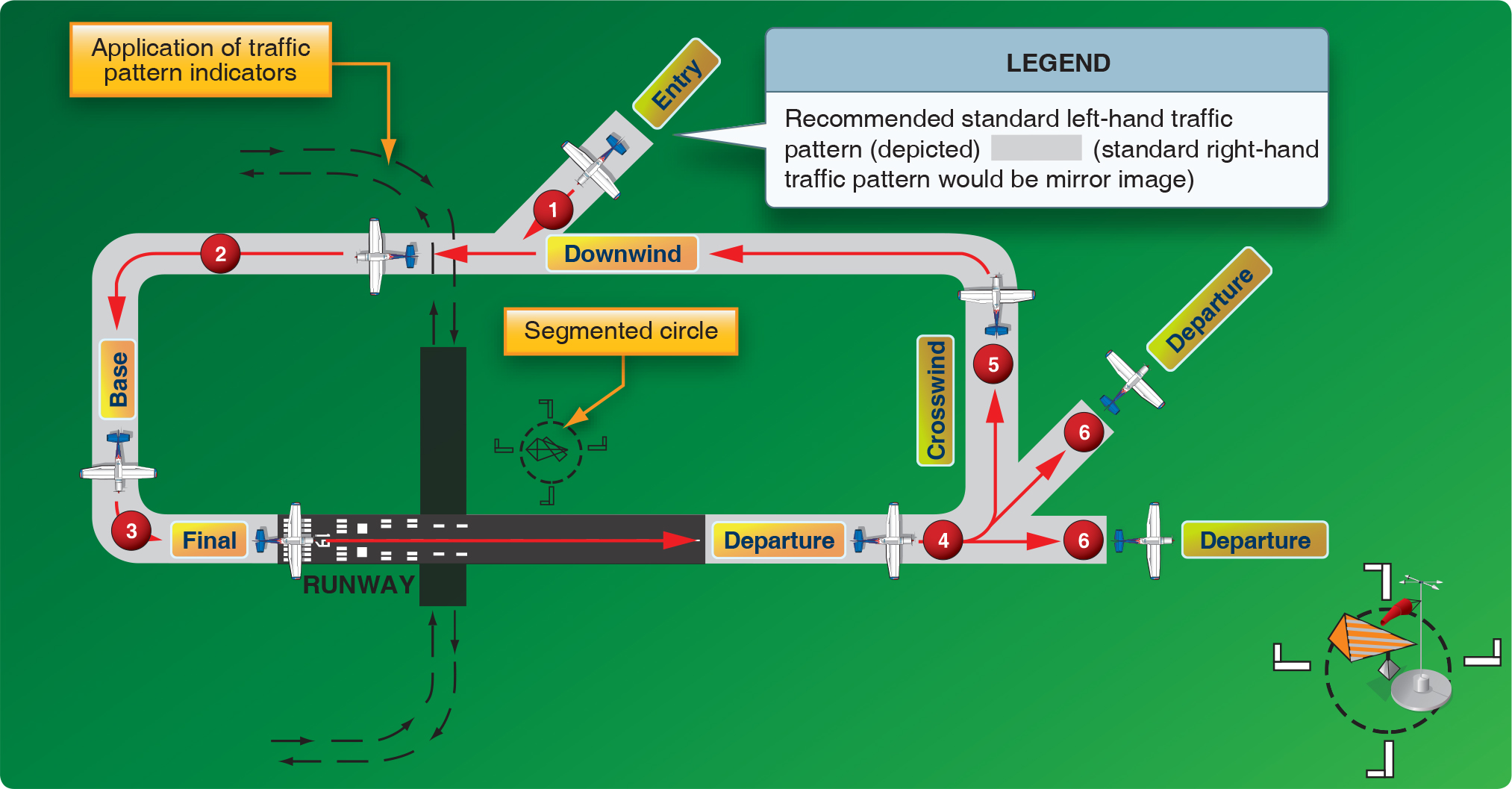
Procedures and Airport Operations Traffic Patterns Learn to Fly Blog

Visualized Traffic Pattern Procedures Guide Poster (Towered & Non
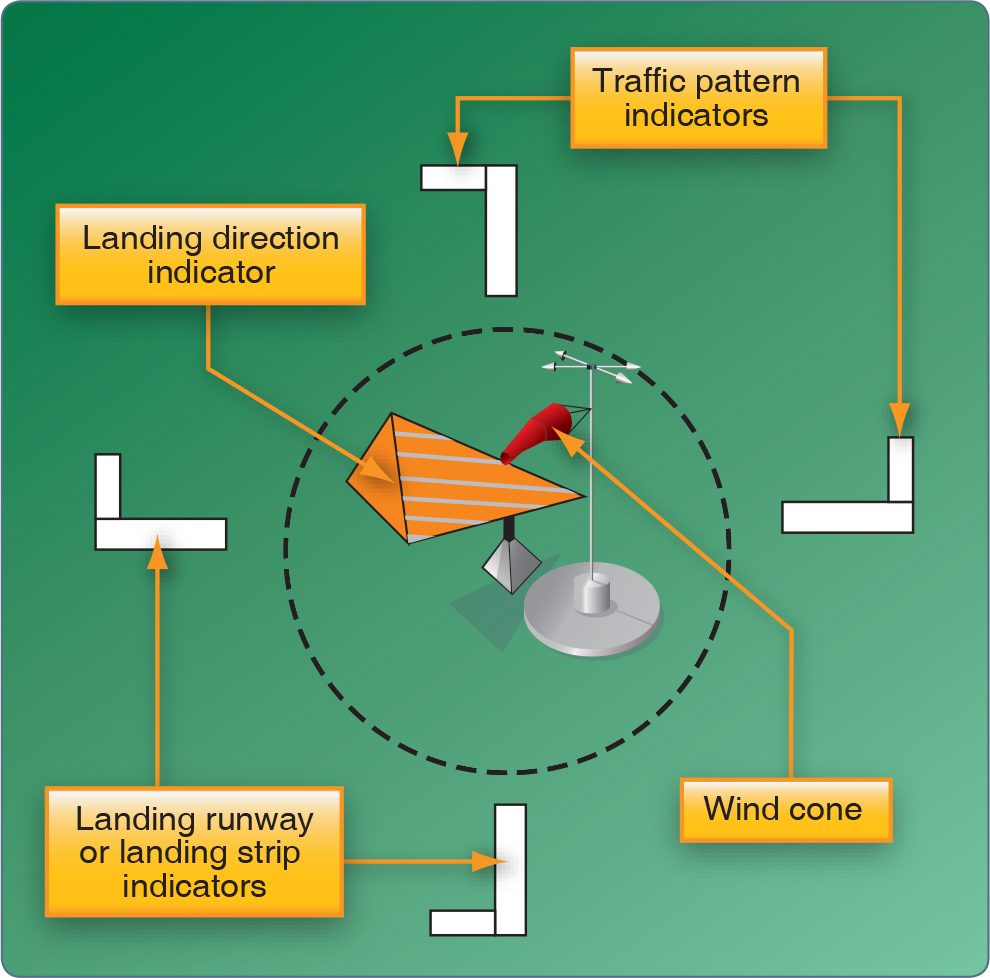
Procedures and Airport Operations Traffic Patterns Learn to Fly Blog
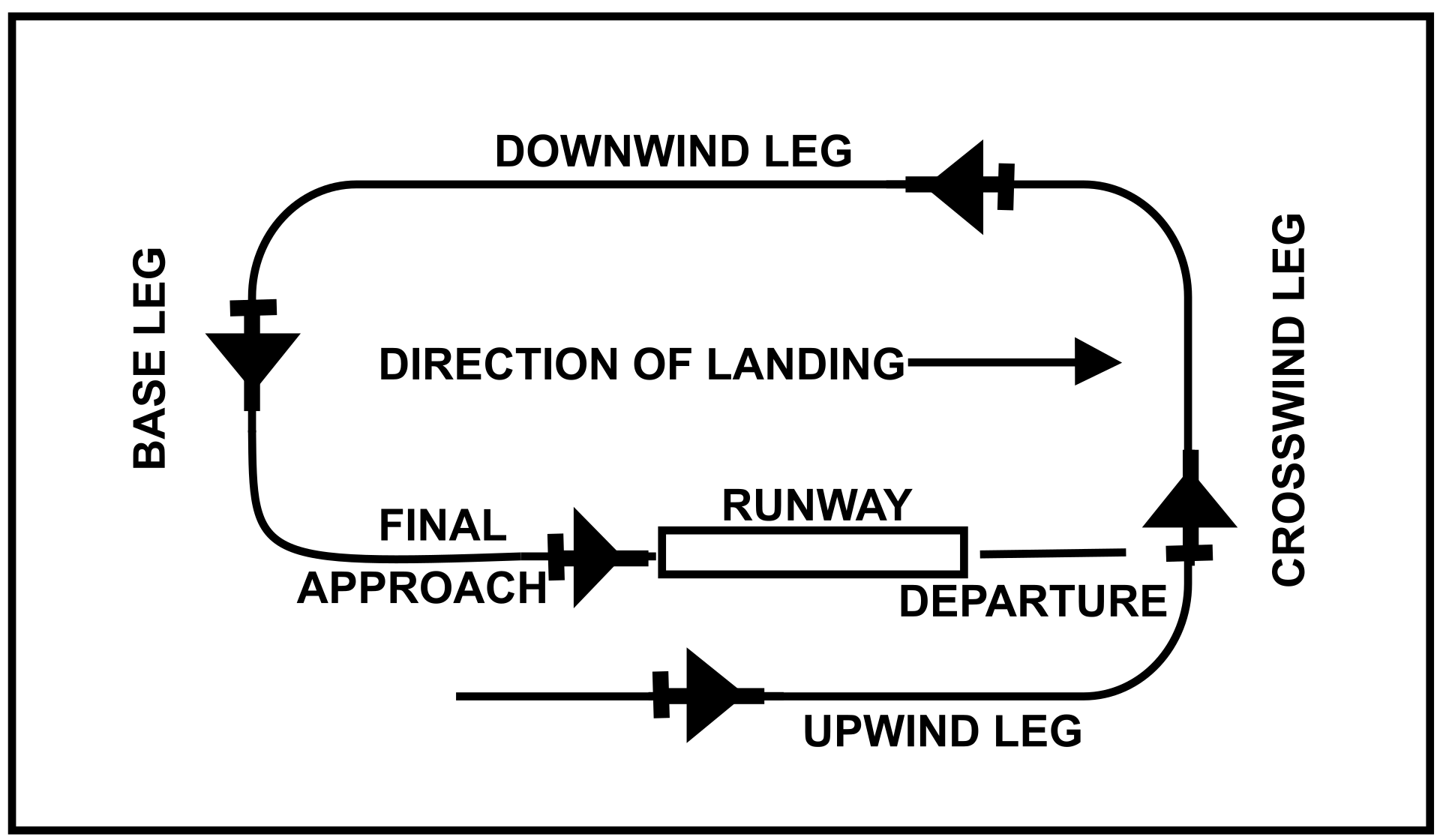
Everything You Should Know About the Airport Traffic Pattern
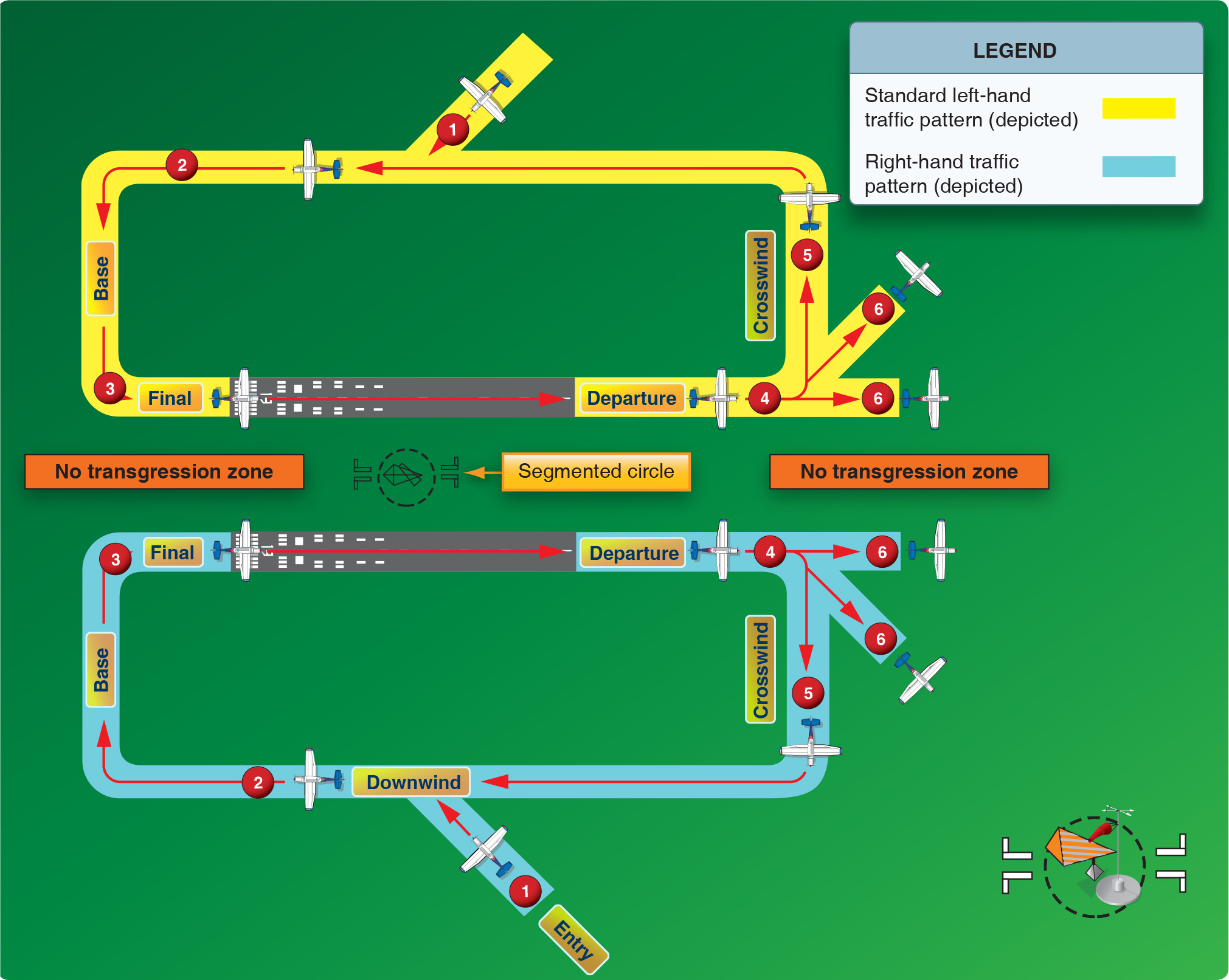
Procedures and Airport Operations Traffic Patterns Learn To Fly

5 Tips For Flying The Traffic Pattern Flight Training Central

Pilot Safety News April, 2005

Visualized Traffic Pattern Procedures Guide Poster (Towered & Non

How to fly a standard airport traffic pattern Flight Training Central
Web It Is Important To Fly Standard Traffic Pattern Procedures To Ensure The Safe And Orderly Flow Of Aircraft To And From An Airport.
Web The Recommended Entry Position To An Airport Traffic Pattern Is.
B) To Enter 45 Degrees At The Midpoint Of The Downwind Leg At Traffic Pattern Altitude.
The Recommended Entry To An Airport Traffic Pattern Is 45° To The Downwind Leg, At The.
Related Post: